
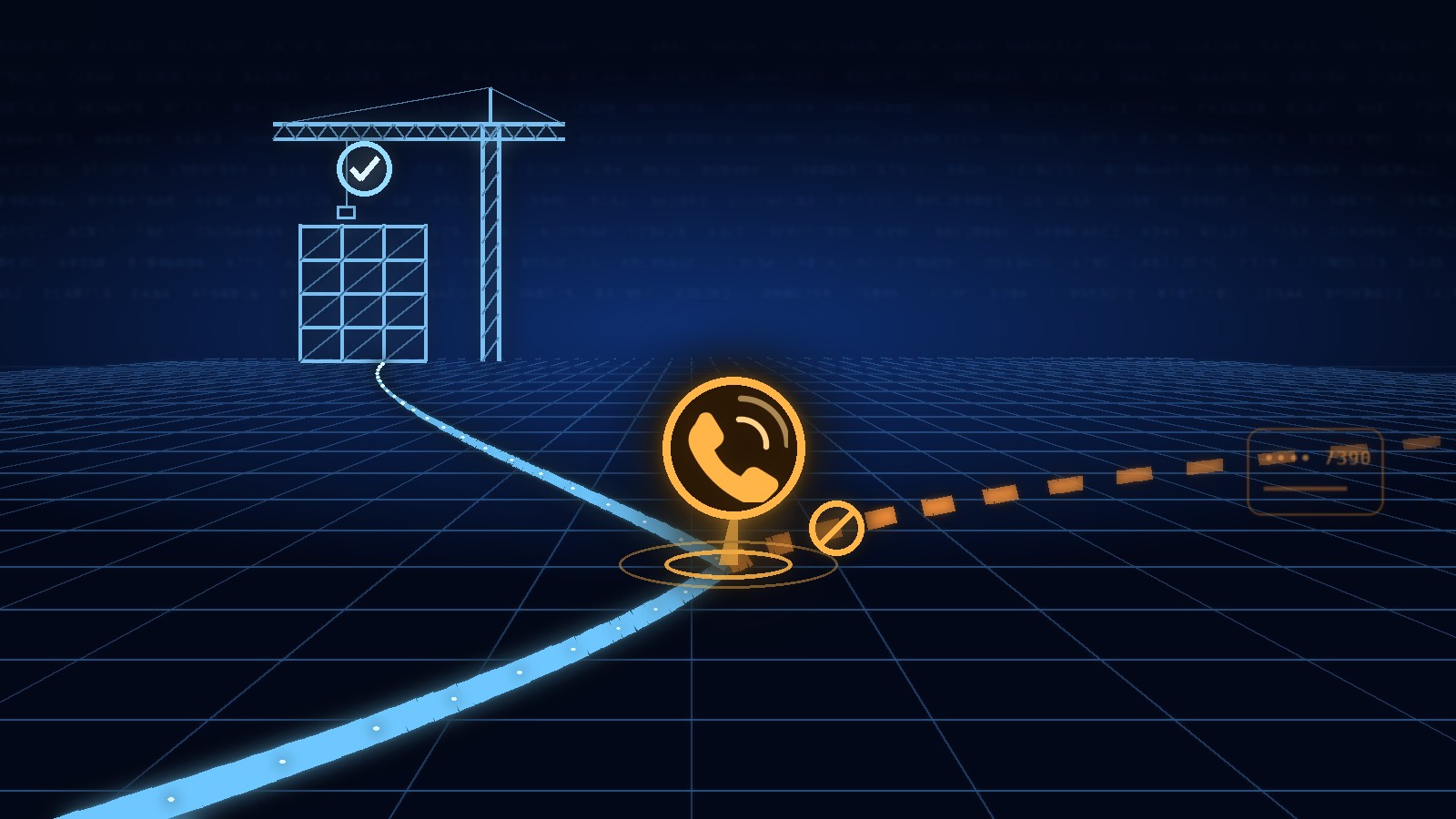
A construction company receives an email from a regular supplier. The supplier explains that it has changed banks and provides new payment instructions for a pending invoice.
The message arrives inside an existing email conversation. It includes the correct project name, contact details, and invoice amount.
The payment is approved.
Several days later, the real supplier contacts the construction company because the invoice remains unpaid. Only then does the company discover that an attacker had compromised an email account and redirected the payment.
Why Construction Companies Are Exposed
Construction businesses communicate with suppliers, subcontractors, project managers, property owners, and external accountants. Payments are often large, time-sensitive, and spread across multiple active projects.
Attackers can monitor a compromised mailbox until they identify the right payment, supplier, and moment to intervene.
The vulnerability is not always a lack of security products. The problem may be that access is poorly controlled, account activity isn’t monitored, or payment changes aren’t verified through a separate communication channel.
Other common weaknesses include:
- Shared passwords across office and field teams
- Unmanaged mobile devices and laptops
- Former employees or contractors retaining access
- Weak protection of project-management platforms
- Poor control over subcontractor accounts
- Untested backups of estimates, drawings, and schedules
- Limited security awareness among employees
One Phone Call Would Have Stopped This
Cybersecurity here doesn’t need to be complicated. What’s usually missing isn’t a security product. It’s a simple verification habit: when a supplier says its bank details changed, someone picks up the phone and confirms it through a number already on file, not one included in the email.
That single step, paired with properly secured email accounts, is often the difference between catching a fraudulent request and wiring the money.
Beyond that habit, the technology and access side of construction security tends to need the same attention: email and cloud accounts secured, multifactor authentication enforced, employee and contractor access reviewed and removed when people leave, office and field devices protected, and backups actually tested, not just scheduled.
None of this requires a large security team. It requires knowing which of these are already in place and which are still assumptions.
Would your team recognize a fraudulent change in supplier payment instructions before transferring the money?